
Houseplant Care Guide: Year-Round Growing Tips
Discover comprehensive articles and expert advice to help your indoor plants thrive throughout every season. From watering schedules to pest management, we cover everything you need to know for successful houseplant cultivation.
The information on this site is for educational purposes only and does not constitute medical advice. Always consult a qualified healthcare professional before making health decisions.
Filter by Topic

Spring Plant Awakening: Preparing for Active Growth
Learn how to wake your dormant plants from winter sleep. This guide covers repotting timing, fertilizer introduction, and adjusting watering routines as daylight increases and temperatures rise.
Read More →
Summer Watering Essentials: Keeping Plants Hydrated in Heat
Master proper hydration techniques during warmer months. Discover how to monitor soil moisture, increase humidity levels, and protect plants from heat stress while maintaining optimal growth conditions.
Read More →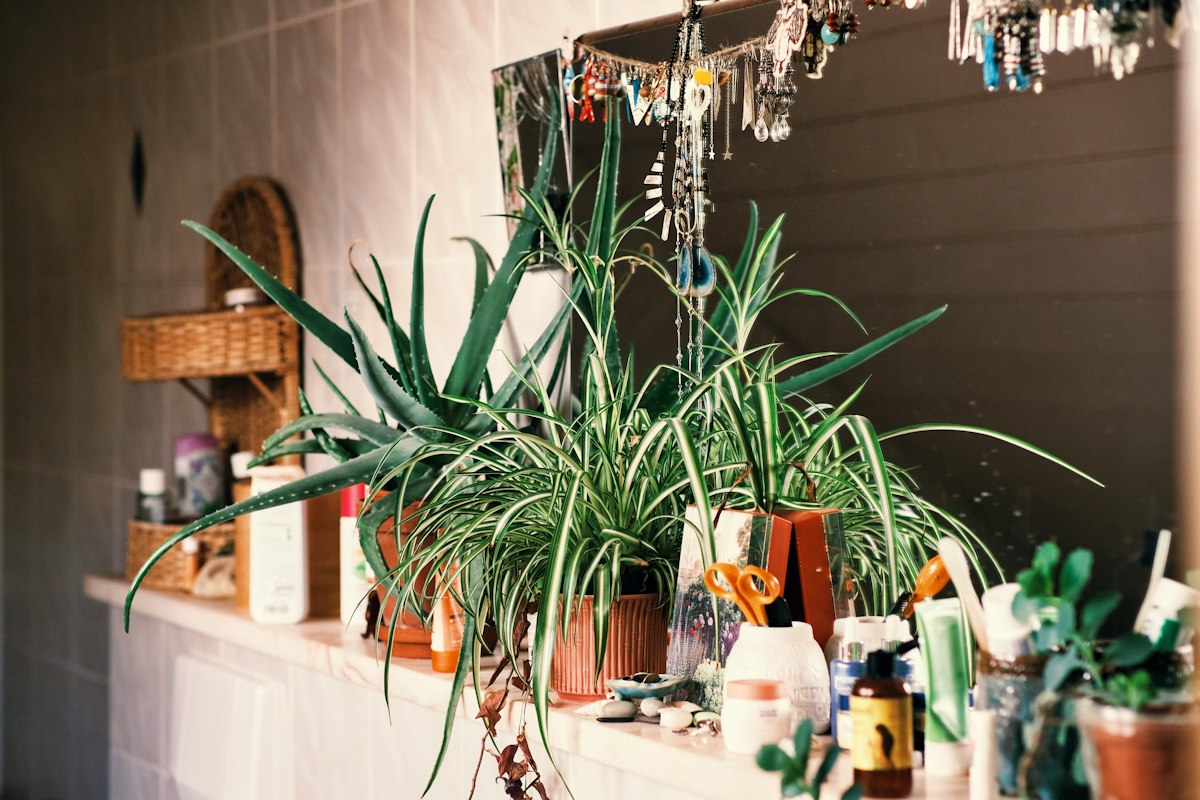
Autumn Preparation: Getting Plants Ready for Winter
Prepare your indoor garden for the cooler season. This comprehensive guide covers reducing water schedules, adjusting light exposure, managing pest populations before winter, and implementing protective strategies.
Read More →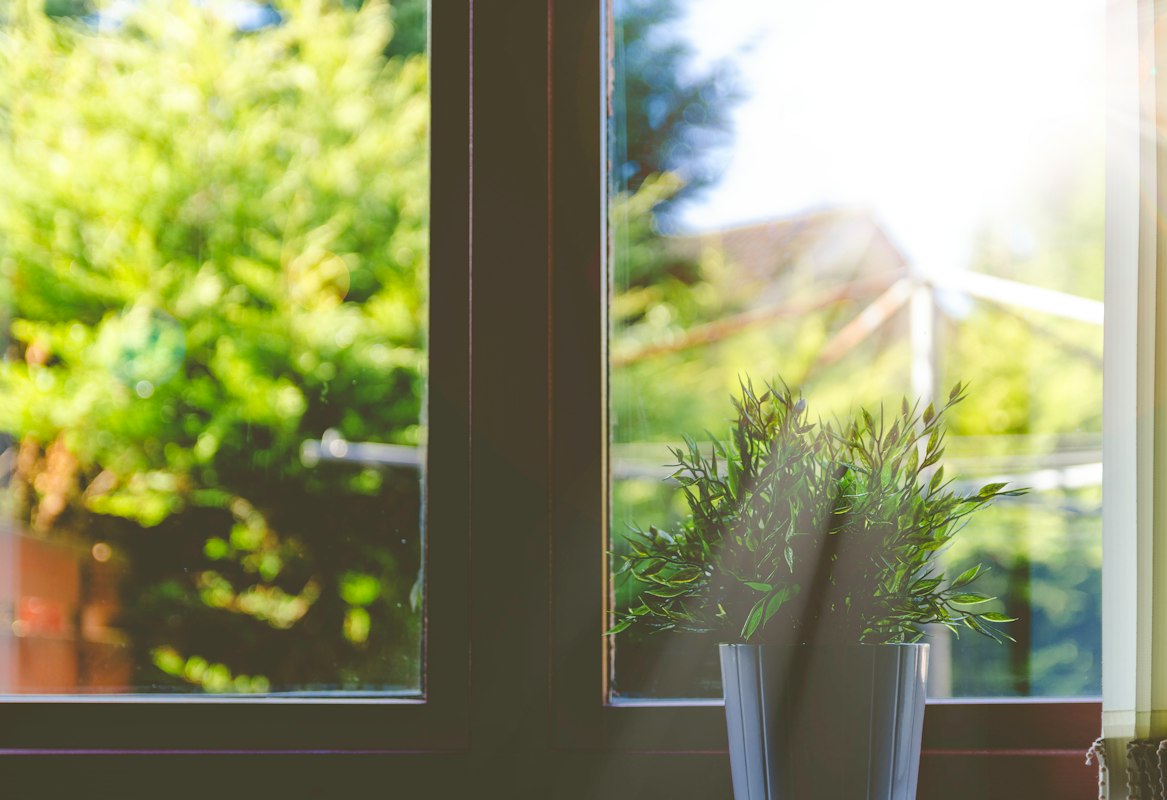
Winter Dormancy Strategies: Supporting Resting Plants
Support your plants through dormancy with proper care techniques. Learn about minimizing watering, providing supplemental lighting, managing indoor heating effects, and maintaining humidity in winter conditions.
Read More →
Identifying and Managing Common Houseplant Pests
Protect your plants from common pests. Explore identification methods for spider mites, mealybugs, scale insects, and thrips, along with organic and chemical management approaches suitable for indoor environments.
Read More →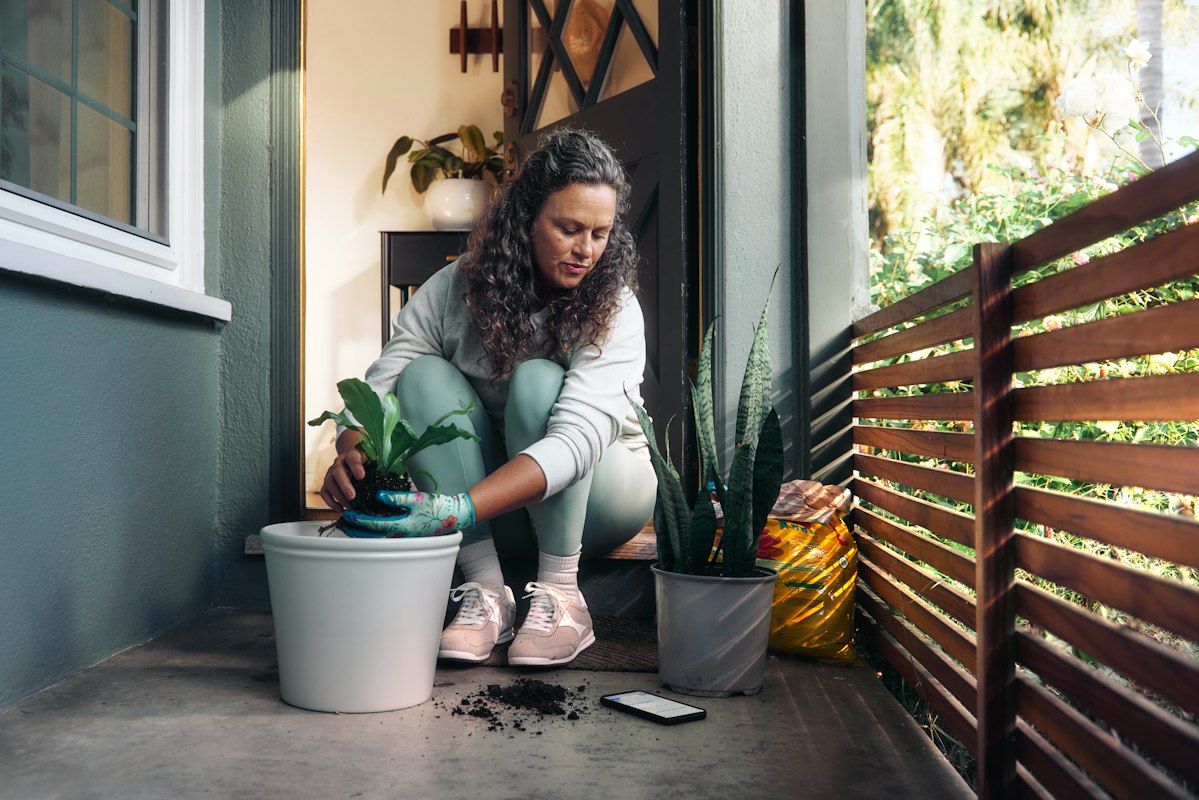
Plant Propagation Techniques: Growing Your Collection
Expand your plant collection through propagation. Master stem cutting methods, leaf propagation, air layering, and division techniques with step-by-step instructions for success and timing considerations.
Read More →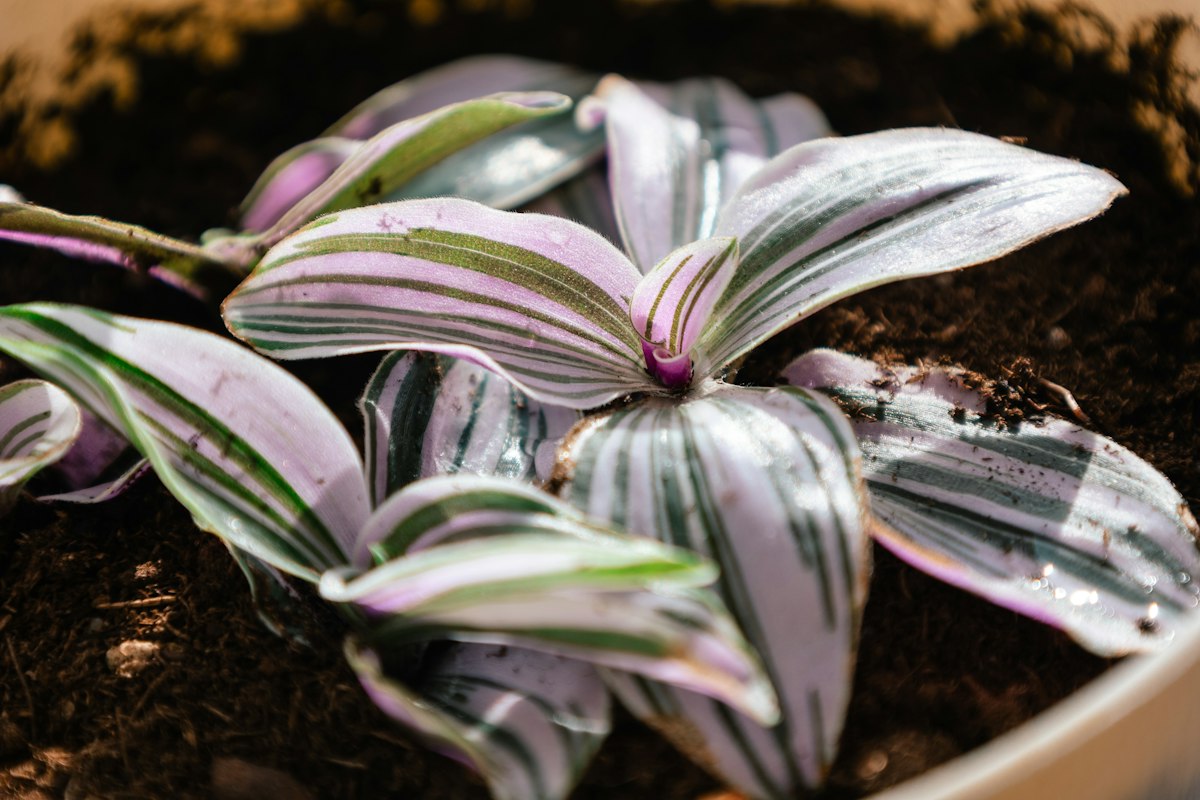
Optimizing Indoor Lighting: Natural and Artificial Solutions
Maximize plant growth with proper lighting strategies. Learn about light requirements for different species, positioning near windows, using grow lights, managing photoperiods, and addressing seasonal light variations.
Read More →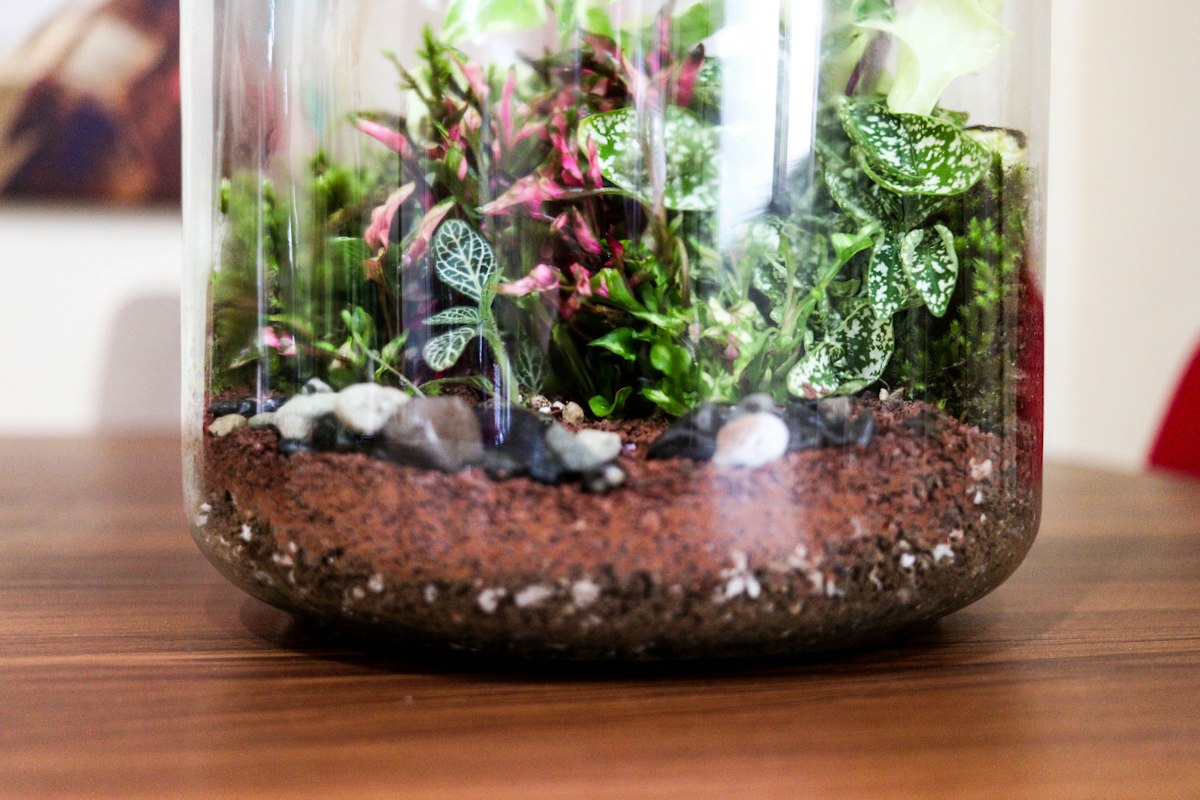
Soil and Nutrient Management: Building the Foundation
Create optimal growing conditions with proper soil composition. Explore soil amendments, fertilizer schedules throughout the year, addressing nutrient deficiencies, and pH considerations for different plant species.
Read More →Monthly Plant Care Checklist
Follow this year-round maintenance guide to keep your houseplants healthy and thriving through every month.
Winter Monitoring & Reduced Activity
Most houseplants enter dormancy during winter. Check soil moisture carefully as plants require less water. Ensure adequate indoor humidity near heaters. Dust leaves monthly to maintain photosynthesis efficiency. Hold off on fertilizing until late winter when growth naturally begins.
Late Winter Preparation & Light Adjustment
Days are lengthening—plants begin responding to increased daylight. Start introducing diluted fertilizer as growth signals emerge. Check for signs of pests that thrive in warm indoor environments. Begin rotating plants weekly for even light exposure. Inspect for any winter damage or disease.
Spring Awakening: Repotting Season Begins
Spring is prime repotting time as plants prepare active growth. Check roots—if pot-bound, repot into fresh, well-draining soil. Increase watering frequency gradually as soil dries faster. Boost fertilizer to half-strength weekly. Prune any dead or diseased foliage. This is ideal for propagating cuttings.
Active Growth: Full Spring Schedule
Plants enter active growth with longer days and warmer temperatures. Water thoroughly and consistently, allowing soil surface to dry slightly between waterings. Apply fertilizer at full strength every 2 weeks. Monitor cuttings started last month. Move sensitive species away from direct afternoon sun if windows heat excessively.
Summer Transition: Heat and Light Management
Late spring heat arrives—increase humidity through misting, pebble trays, or grouping plants. Begin transitioning indoor plants to outdoor locations if climate permits. Stake or support rapidly growing stems. Continue bi-weekly fertilizing. Check soil moisture daily as evaporation increases. Start hardening off young plants for potential outdoor placement.
Summer Peak: Heat, Growth & Watering Intensity
Summer demands active management. Water frequently—soil may dry within 1-2 days in heat. Provide afternoon shade if windows receive harsh direct sun (especially critical in tropical climate zones). Maintain high humidity through consistent misting or humidifiers. Continue bi-weekly fertilizing for vigorous species. Monitor for heat stress signs like wilting or scorched leaves. Increase ventilation around plants.
Early Autumn: Transition Period Begins
Days shorten noticeably—plants prepare for slower growth. Begin gradually reducing watering frequency. Reduce fertilizer to every 3 weeks. If plants spent summer outdoors, start acclimating them back to indoor light conditions. Bring tropical species indoors before temperatures drop. Clean leaves of dust accumulated during summer. Inspect for pest populations built up during warm months.
Autumn Maintenance: Preparation for Winter
Autumn colors signal final growth phase before dormancy. Continue reducing water—allow soil to dry more between waterings. Stop fertilizing most species unless they actively grow. Clean windows to maximize available light. Check and treat any pest infestations before indoor heating season starts. Inspect pots for drainage issues. Prune leggy growth to encourage bushier form.
Pre-Winter Preparation: Indoor Environment Setup
Winter approaches—prepare your indoor environment. Move plants away from cold drafts and heating vents. Reduce watering significantly as growth nearly stops. Begin supplemental lighting setup for low-light locations if needed. Increase humidity levels before heating season dries air. Check heating system placement to avoid direct air on plants. Inventory your plant collection for winter planning.
December
Winter Peak
Maintain consistent watering as heating dries indoor air. Provide bright, indirect light during short days. Check for pests that thrive in warm homes. Reduce fertilizing as growth slows. Ensure good air circulation around plants. Plan spring propagation projects. Document your plant care wins from the year.
What Our Growers Say
Join hundreds of thriving plant parents who trust Greenleaf Growth Guide
"The seasonal guides completely transformed my plant collection. I went from losing plants every winter to having them thrive year-round. This is essential reading for any plant parent!"
Maria Chen
Urban Gardener, Toronto
"I was intimidated by plant care until I found Greenleaf Growth Guide. The month-by-month breakdown takes the guesswork out of seasonal care. My monstera has never looked better!"
James Rodriguez
Beginner Collector, Austin
"As someone with 50+ plants, I needed a reliable system. This guide provides the framework I was missing. The care tips are practical and based on real plant science. Highly recommend!"
Sofia Patel
Serious Collector, Vancouver
Ready to Grow?
Master seasonal plant care with our comprehensive guide. Get access to expert tips, month-by-month plans, and join a thriving community of plant parents.
Frequently Asked Questions
Everything you need to know about seasonal plant care
How often should I water my plants in winter?
Winter watering depends on your heating system and humidity levels. Generally, water less frequently than in summer, but check soil moisture regularly. Most tropical plants need water when the top inch of soil is dry. Indoor heating can dry soil faster than expected, so monitor closely rather than following a strict schedule.
Can I move my plants outdoors in spring?
Yes, but gradually! Acclimate indoor plants to outdoor conditions over 1-2 weeks by placing them in shade first, then gradually increasing sun exposure. Sudden temperature changes and direct sun can shock plants. Spring (after last frost) is ideal for moving tropical and tender plants outside for the growing season.
When should I start fertilizing in spring?
Begin fertilizing in early spring (March/April) when new growth appears and days are getting longer. Start with half-strength fertilizer and increase to full strength once active growth is underway. During growing season (spring/summer), fertilize every 2-4 weeks. Stop fertilizing in fall and maintain minimal feeding in winter.
How do I prevent common pest problems year-round?
Inspect new plants before bringing them home, quarantine if needed. Maintain good air circulation and humidity levels. Check plants weekly for signs of pests. In warmer months, pests multiply faster—increase monitoring frequency. Isolate affected plants immediately and treat with neem oil or insecticidal soap. Indoor heating in winter creates ideal conditions for spider mites, so stay vigilant.
What's the best way to increase humidity for tropical plants?
Create humidity by grouping plants together, placing them on pebble trays filled with water (without roots touching water), or using a humidifier. Misting provides temporary relief but isn't a long-term solution. Bathroom or kitchen windowsills naturally have higher humidity. In winter, indoor heating dramatically reduces humidity—prioritize humidity management during this season.