
Thriving Plants Through Every Season
Master the art of houseplant care with our comprehensive year-round growing guide. Learn proven techniques to keep your plants flourishing in any climate, from the tropical humidity of Manila to your air-conditioned living room.
The information on this site is for educational purposes only and does not constitute medical advice. Always consult a qualified healthcare professional before making health decisions.
Plant Collection Showcase
Discover our curated selection of popular houseplants perfect for every skill level. Each plant comes with detailed care instructions tailored to your environment.

Monstera Deliciosa
A popular tropical plant with striking split leaves. Thrives in bright, indirect light and requires moderate watering. Perfect for adding dramatic foliage to any room.

Pothos (Devil's Ivy)
An incredibly forgiving vine that adapts to various light conditions. Ideal for beginners and hanging baskets. Grows quickly and purifies indoor air naturally.
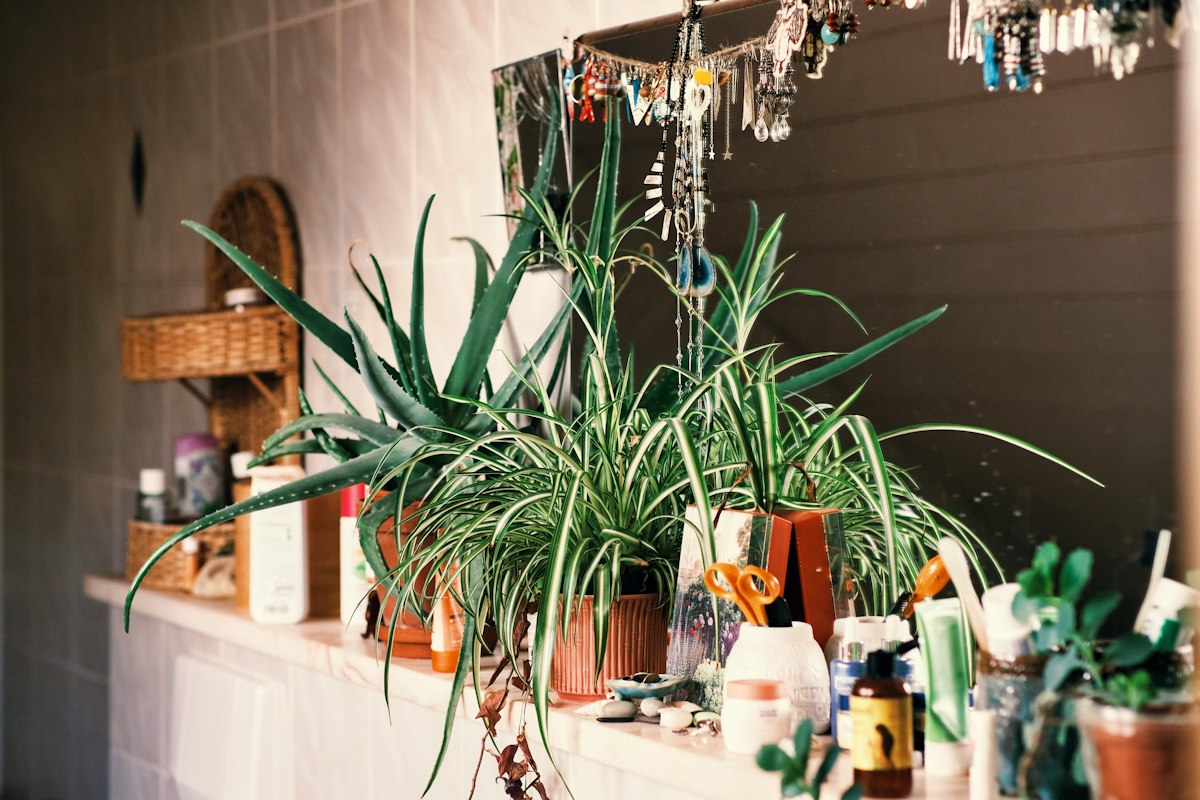
Snake Plant
Extremely drought-tolerant with architectural appeal. Requires minimal care and thrives in low light. Excellent for busy plant lovers and office environments.
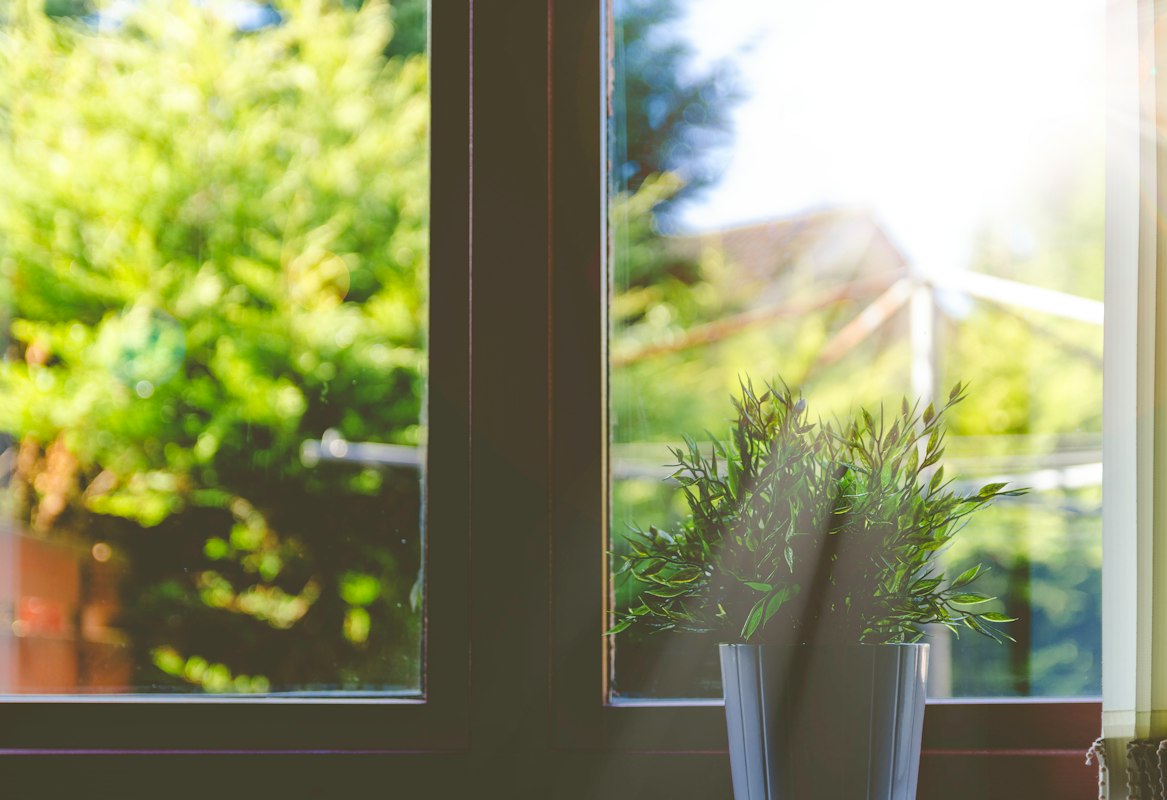
Fiddle Leaf Fig
A statement plant with large, violin-shaped leaves. Requires bright, indirect light and consistent moisture. Adds tropical elegance to living spaces.
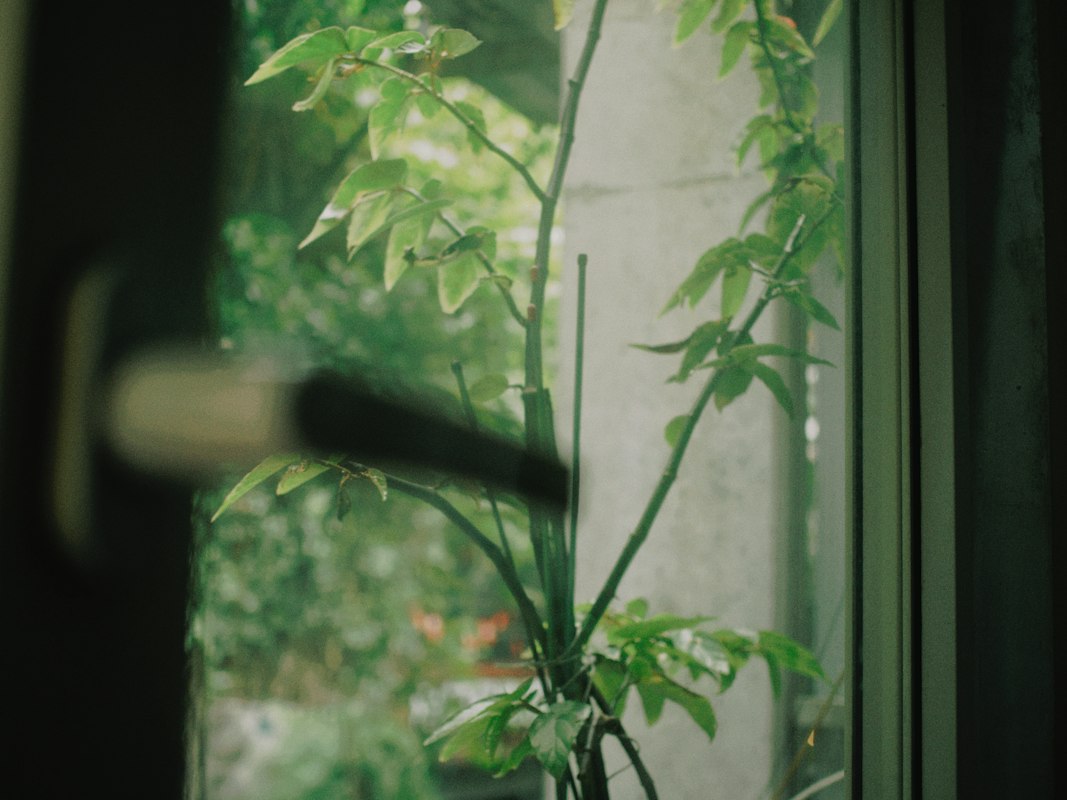
Philodendron
Heart-shaped leaves and climbing or trailing growth patterns. Adaptable to various light levels and forgiving with watering. A versatile choice for any home.
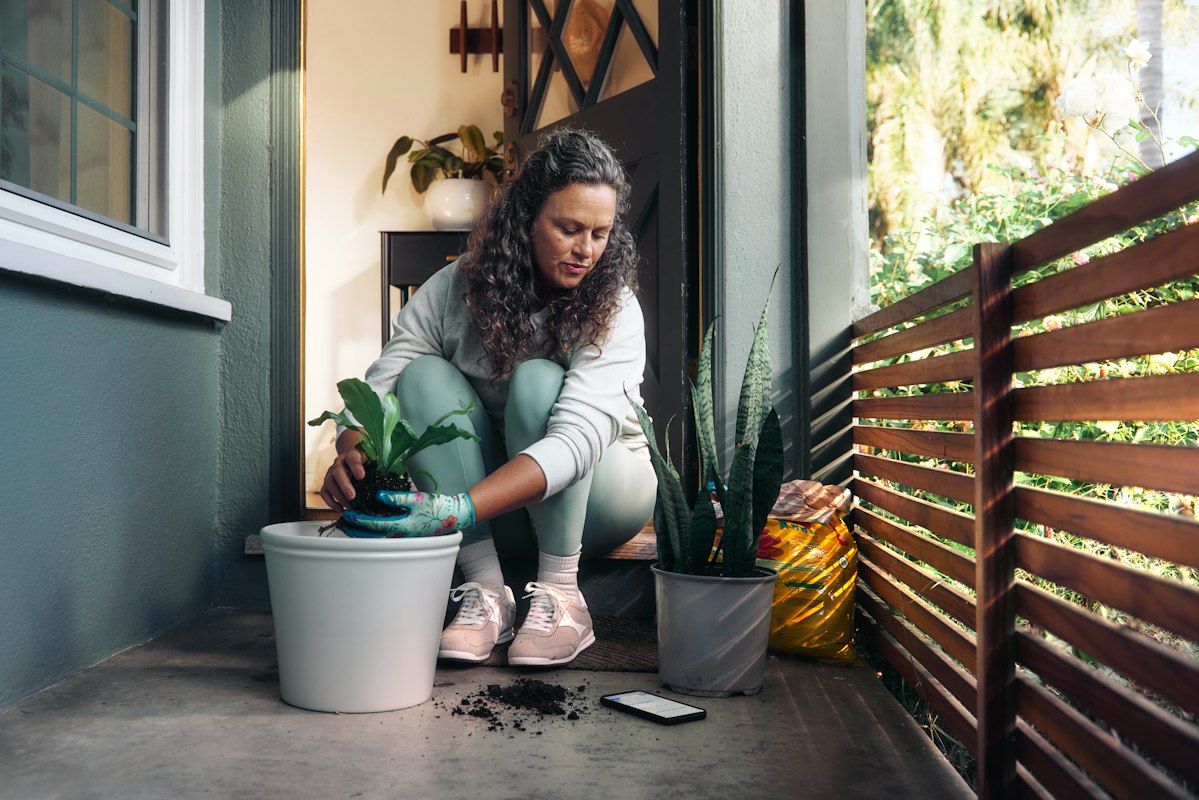
Rubber Plant
Bold, glossy leaves in shades of burgundy and green. Prefers bright, indirect light and consistent care. Makes a stunning vertical accent in any room.
Your Monthly Care Checklist
Follow our seasonal care guide to keep your plants healthy throughout the year. Each month brings different challenges and opportunities in the Philippine climate.
Spring Refresher (March-May)
Spring is the time to refresh your plants. Repot plants in fresh soil, prune dead foliage, and increase watering as growth accelerates. Check for pests that emerge in warmer weather and treat immediately. Feed your plants with balanced fertilizer to support new growth.
Summer Survival (June-August)
Summer heat and humidity demand extra attention. Water more frequently but ensure pots drain properly to avoid root rot. Move plants away from direct afternoon sun on windows facing south and west. Increase humidity around tropical plants through misting or grouping.
Autumn Transition (September-November)
As temperatures drop and daylight decreases, gradually reduce watering frequency. Stop fertilizing as plants enter slower growth phases. Clean leaves thoroughly to maximize light absorption during shorter days. Prepare plants for cooler months ahead by adjusting placement away from cooling vents.
Winter Care (December-February)
Winter requires a delicate balance with air conditioning creating dry indoor environments. Water less frequently as evaporation slows, but monitor soil carefully. Move plants to brighter locations to compensate for reduced natural light. Protect sensitive plants from cold drafts and sudden temperature changes.
Common Plant Care Questions
Find answers to the most frequently asked questions about houseplant care, from watering schedules to pest management.
Watering frequency depends on plant type, pot size, soil composition, and seasonal light levels. Most tropical plants prefer soil that is moist but not waterlogged. Check the top inch of soil—if it feels dry, water thoroughly until it drains from the bottom. In Manila's humid climate, plants may need less frequent watering than in drier regions. During winter or rainy seasons, reduce watering significantly as evaporation slows and plants grow more slowly.
Different plants have different light requirements. Bright, indirect light from an east or west-facing window suits most houseplants. Some foliage plants tolerate low light, while flowering plants and succulents need brighter conditions. In the Philippines, afternoon sun from south-facing windows can be intense—use sheer curtains to filter harsh rays. Rotate your plants every few weeks to ensure even growth from all sides.
Common indoor pests include spider mites, mealybugs, scale, and fungus gnats. Inspect new plants carefully before bringing them home. Isolate infested plants immediately and treat with neem oil spray or insecticidal soap following product directions. Increase air circulation with a gentle fan to deter spider mites. Regular misting deters spider mites but check for fungal issues in humid conditions. Remove affected leaves and repeat treatment every 7-10 days until pests are gone.
Repot plants in spring or early summer when they're actively growing. Signs a plant needs repotting include roots growing through drainage holes, water running straight through without absorbing, or stunted growth. Choose a pot one size larger with drainage holes. Use fresh, well-draining potting soil appropriate for your plant type. Water gently after repotting and avoid fertilizing for 4-6 weeks to reduce transplant stress. Plants in very large pots may only need repotting every 2-3 years.
Most tropical houseplants prefer humidity levels of 50-60%, but indoor air conditioning often drops this to 30-40%. Increase humidity by grouping plants together, placing them on pebble trays filled with water, or using a humidifier. Misting leaves provides temporary relief but may promote fungal issues if done in low-light areas or cool temperatures. In Manila's naturally humid climate, most plants thrive year-round, though air-conditioned spaces may need supplemental humidity during summer.
Use a balanced, water-soluble fertilizer like 10-10-10 for most foliage houseplants during the growing season (spring and summer). Flowering plants benefit from higher phosphorus ratios like 5-10-5. Fertilize every 2-4 weeks during active growth, but reduce or skip entirely during fall and winter when growth slows. Always dilute fertilizer to half strength to avoid salt buildup in soil. Organic options like worm castings or fish emulsion work well for those preferring natural products.
Why Choose Greenleaf Growth Guide
Our comprehensive approach to houseplant care covers every season, every climate challenge, and every plant type you might encounter.
Year-Round Guidance
Detailed seasonal care plans adapted to tropical and subtropical climates, ensuring your plants thrive in every weather condition.
Expert Knowledge
Research-backed advice from experienced horticulturists covering plant selection, propagation, and problem-solving strategies.
Local Expertise
Guidance tailored specifically to the Philippine climate, humidity levels, and local plant availability for Manila and surrounding regions.
Beginner-Friendly
Step-by-step instructions and troubleshooting guides that make plant care accessible, whether you're new to gardening or expanding your collection.
Success Stories from Our Readers* *Individual results may vary. These testimonials reflect the experiences of specific users and are not guaranteed outcomes.
Discover how plant enthusiasts across the Philippines have transformed their living spaces with guidance from our comprehensive care guides.
"I started with just one monstera and killed it within weeks. The monthly care checklist in your guides gave me the confidence to try again. Now I have twelve thriving plants throughout my condo, and friends constantly ask me for advice. The seasonal tips for Manila's climate made all the difference—I finally understand how to manage humidity and watering during our hot summers."
Maria Santos
Manila
"As someone who travels frequently for work, I needed plants that could handle irregular watering. Your guide on drought-tolerant houseplants was a game-changer. Snake plants, pothos, and rubber plants now thrive in my office, and I barely need to water them weekly. The pest management section also helped me identify and solve a mealybug problem before it spread."
Roberto Villanueva
Quezon City
"I transformed my apartment balcony into a lush green sanctuary following your light and humidity guides. The propagation tips helped me multiply my favorite plants affordably, and now I gift cuttings to family members. What impressed me most was how detailed the winter care section is—my fiddle leaf fig survived our cooler months perfectly, something that never happened before."
Jessica Reyes
Makati
"As an interior designer, I recommend this guide to all my residential clients. The comprehensive plant selection with care requirements makes it easy for families with varying skill levels to maintain beautiful living spaces. Your FAQ section answers almost every question my clients ask, and the repotting guide with seasonal timing has become essential reference material in my practice."
David Tan
Pasig
Essential Care Tools and Resources
Everything you need to succeed with your indoor garden, from basic supplies to advanced monitoring tools.
Watering Tools
A quality watering can with a long spout helps reach plants in tight spaces. Watering globes provide slow, consistent moisture for vacation periods. Moisture meters eliminate guesswork when checking soil conditions, especially useful for sensitive plants.
Lighting Solutions
Grow lights compensate for seasonal darkness and low-light areas in your home. LED grow lights are energy-efficient and produce minimal heat. A light meter helps determine if your plants receive optimal illumination for their specific needs.
Pest Management
Neem oil and insecticidal soap handle most common pests safely. A spray bottle for misting helps with humidity while distributing treatments. Rubbing alcohol on a cotton ball tackles mealybugs and scale insects effectively.
Soil and Fertilizers
Potting soil formulated for different plant types ensures proper drainage and nutrition. Balanced fertilizers like 10-10-10 work for most houseplants. Organic options including worm castings and fish emulsion provide gentle, natural nutrition.
Pruning and Propagation
Sharp pruning shears make clean cuts that heal quickly. Pruning knives handle detailed work on delicate stems. Rooting hormone powder increases propagation success rates. Propagation vessels or clear containers let you monitor root development.
Reference Guides
Keep our growing guides bookmarked for seasonal tips and plant-specific information. Plant identification apps help confirm species and find care instructions. A plant journal tracks watering dates and seasonal changes for better learning over time.
Join Our Plant Lovers Community
Connect with thousands of plant enthusiasts in the Philippines who share their experiences, tips, and successes. Get access to seasonal care updates, featured plant spotlights, and reader stories delivered to your inbox throughout the year.
Subscribe to our newsletter and stay informed about the latest growing techniques and plant care innovations tailored to your climate and environment.
Winter Dormancy Guide
Understanding how your plants change during cooler months helps you maintain their health when they enter dormancy.
Understanding Winter Rest Periods
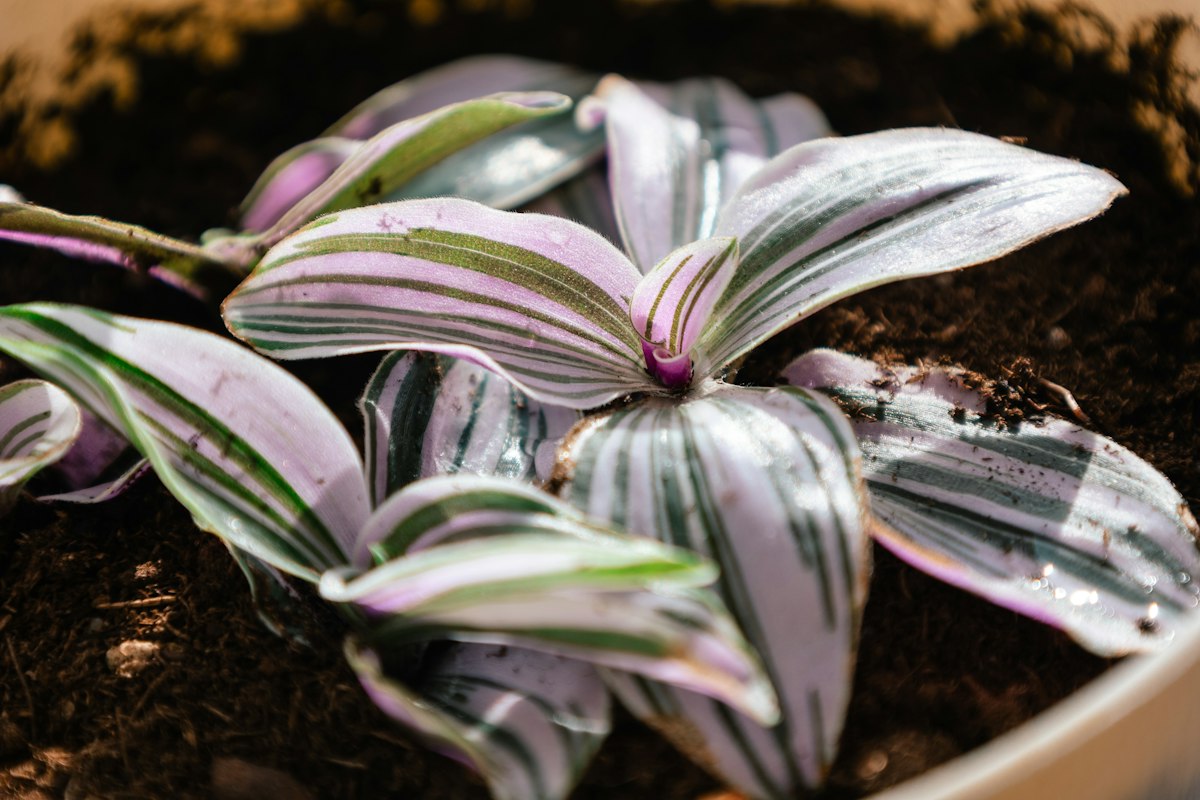
Many tropical houseplants naturally slow their growth during winter months when daylight decreases and temperatures cool. This dormancy period is essential for their health—forcing continued growth through heavy fertilizing can stress plants and reduce vigor. During dormancy, plants require less water, no fertilizer, and slightly cooler temperatures to thrive.
While the Philippines maintains tropical warmth year-round, indoor air conditioning creates artificial "winter" conditions that trigger dormancy in sensitive plants. This is actually beneficial because it gives your plants a natural recovery period, just as they would experience in their native tropical habitats during seasonal changes.
In your home, dormancy typically runs from November through February. During this period, expect slower growth, reduced watering needs, and minimal pest problems due to slower metabolism in insects. This is an ideal time to assess your plant collection, propagate cuttings, and plan spring refreshing strategies.
Ready to Transform Your Home Into a Green Oasis?
Browse our complete collection of growing guides, seasonal care plans, and plant-specific instructions. Whether you're starting with a single pothos or expanding an established collection, we have the knowledge to help you succeed.
Have questions about plant care in the Philippine climate? Reach out to us at [email protected] or visit us at Session Road 115, Manila.